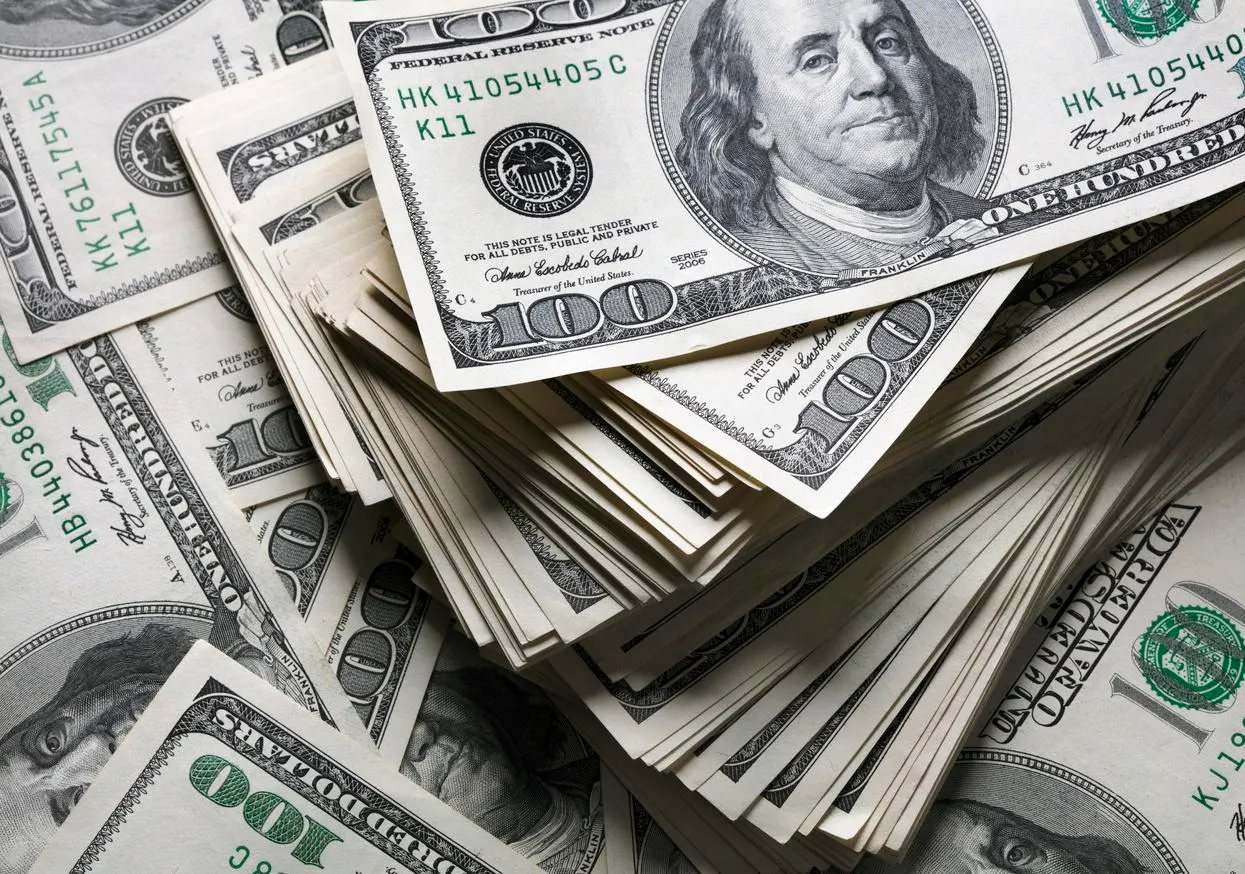
America’s largest banks are rewarding investors at an unprecedented scale, signaling both confidence in their balance sheets and a favorable regulatory environment. In the first quarter of 2026 alone, the eight biggest U.S. banks distributed more than $46 billion through dividends and share buybacks, marking a sharp rise from previous years. (Forbes)
This surge is being fueled by strong profitability across Wall Street. Elevated trading activity, resilient consumer spending, and improved lending margins have all contributed to robust earnings. In fact, major banks collectively generated tens of billions in profits in early 2026, benefiting from market volatility and increased client activity. (The Guardian)
Share buybacks have emerged as a key strategy. By repurchasing their own stock, banks not only return excess capital but also boost earnings per share, making them more attractive to investors. Institutions like Bank of America alone returned over $9 billion in a single quarter through dividends and repurchases, underscoring the scale of these programs. (Bank of America Corporation)
Regulation is also playing a role. Policymakers have begun easing certain capital requirements, giving banks more flexibility to deploy capital. While this has encouraged higher payouts, it has also sparked debate about long-term financial stability and whether banks are prioritizing shareholder returns over economic resilience.
For investors, the message is clear. Big banks are entering a phase of capital abundance, where strong earnings and looser constraints allow them to deliver record payouts. For the broader economy, however, the implications are more complex. Increased distributions may boost market confidence, but they also raise questions about how much capital should be retained to safeguard against future shocks.
As 2026 unfolds, America’s banking giants are not just managing money. They are actively reshaping how profits flow back to shareholders, setting a new benchmark for the industry.